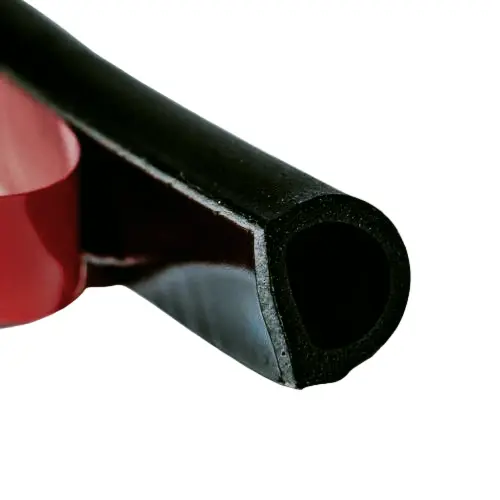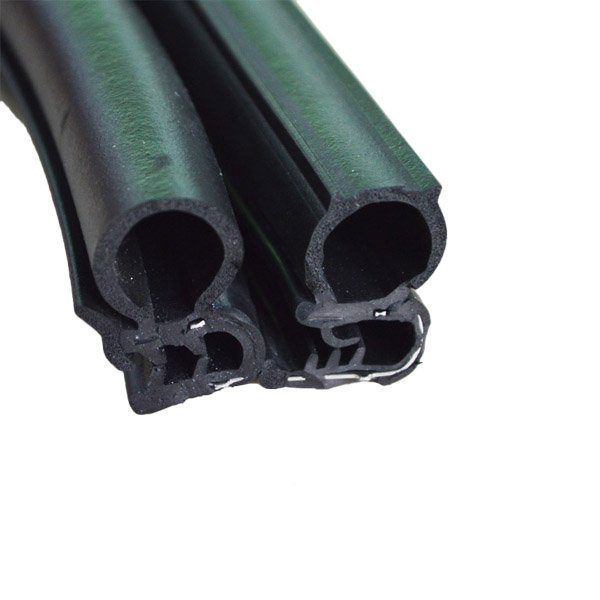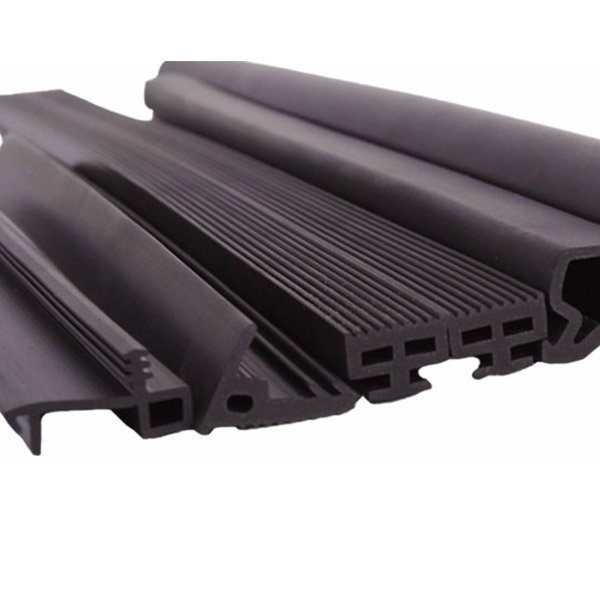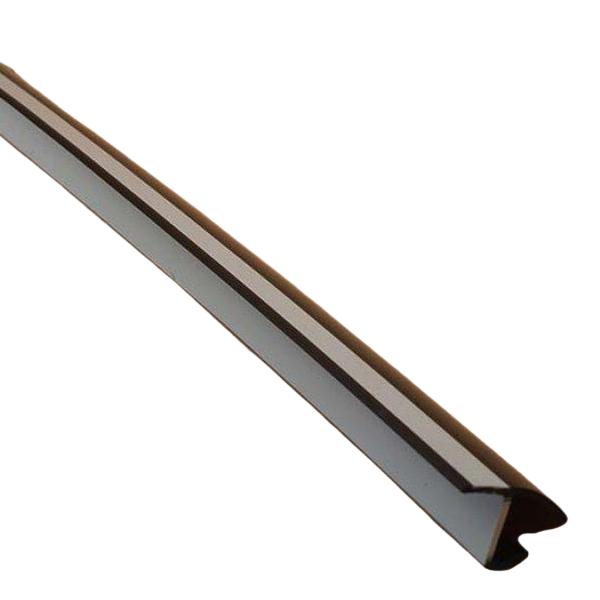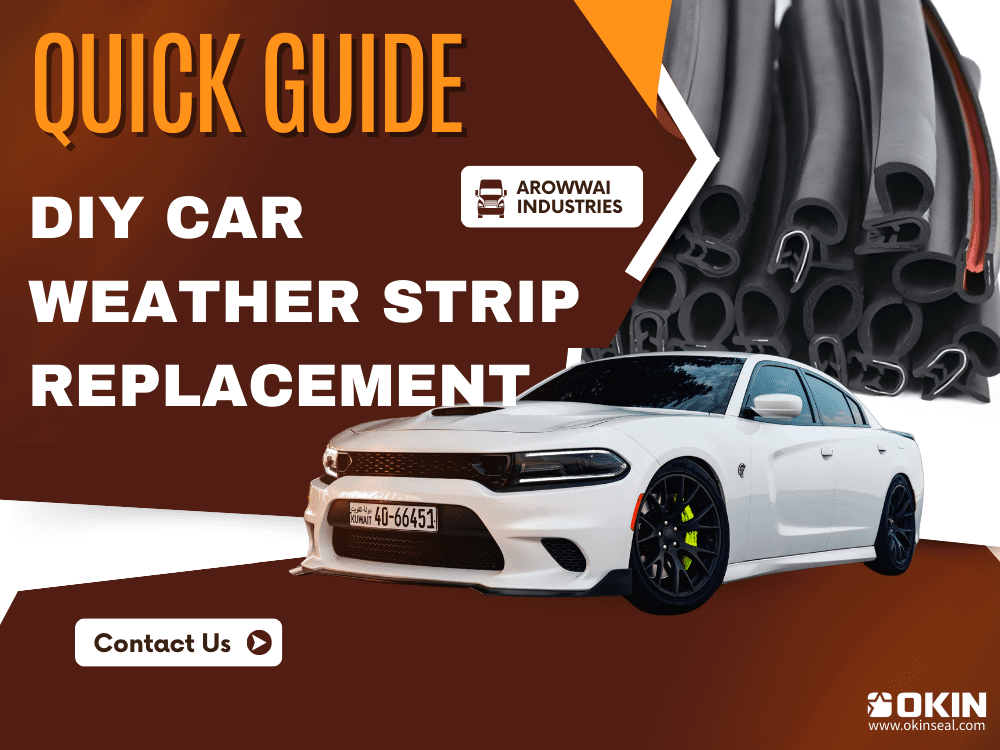
Car weatherstrip can effectively prevent rain, snow, and other liquids from entering the interior of the vehicle. It helps protect your car's carpets, seats, and other interior parts from moisture or damage.
Car weather stripping can reduce the entry of external noise and improve driving comfort in the car. This is particularly important for drivers who drive for long periods and in noisy urban environments.
Car seal strips can also prevent tiny particles such as sand and dust from entering the car. They help keep the interior of your vehicle clean and reduce the need for interior maintenance.
Some car weatherstrips also have a certain thermal insulation function. They help maintain comfort inside your vehicle during extreme temperature conditions.
Before you begin installation, make sure you have the tools and materials you need. This includes weatherstripping, cleaners, wipes, measuring tape, scissors, etc.
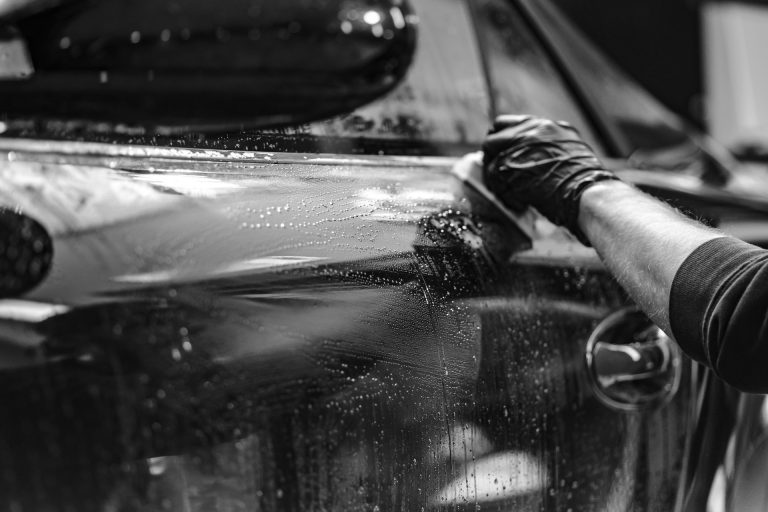
Clean the car edges with detergent and a wipe. Make sure the surface is clean and free of grease, dust, or other impurities. This helps ensure that the car weatherstrip adhere tightly and remain stable.
Use a measuring tape to measure the length of the car edge. Cut car seal strips as needed. Make sure you cut it appropriately so it fits the edge of the car.
Before actual installation, place the car weatherstrip on the edge of the car to test. Make sure it's the right length and shape and doesn't prevent the car from opening and closing properly.
Apply double-sided tape on the back of the car weatherstrip, making sure it is evenly applied. Choose high-quality double-sided tape. This ensures that the weatherstripping adheres securely to the car.
Carefully adhere the car seal weatherstripping to the clean car edge. Make sure it fits snugly against the car to prevent rainwater from penetrating.
After the car weather stripping is pasted in place, press gently with your hands or a pressure tool. Make sure the double-sided tape is fully adhered. It may take some time for the double-sided tape to be fully set.
It is best to avoid opening and closing the car frequently until the car seal strip is completely fixed. Follow the recommended wait times in the installation instructions.
Yes, it is recommended to check the condition of the car seals regularly. This ensures it is in good working order. Regular cleaning and applying some rubber conditioner can help extend the life of your seal.
If installed correctly, car seals usually do not affect the normal opening and closing of the car. Make sure the weather strip is installed in the correct location and no obstructions are preventing the car from closing.
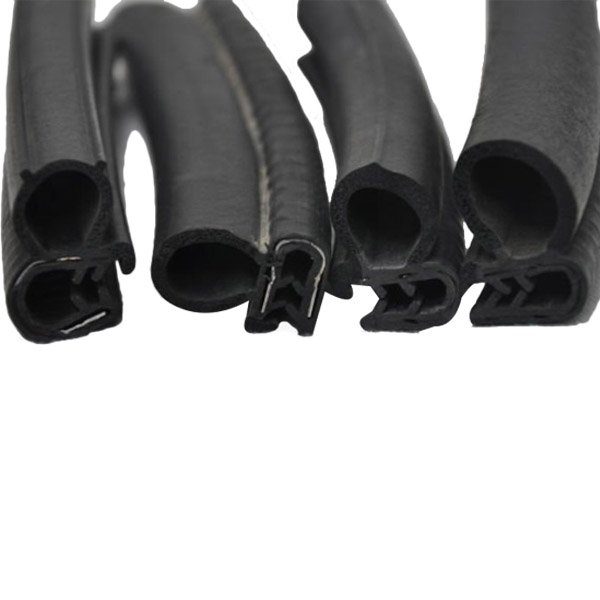
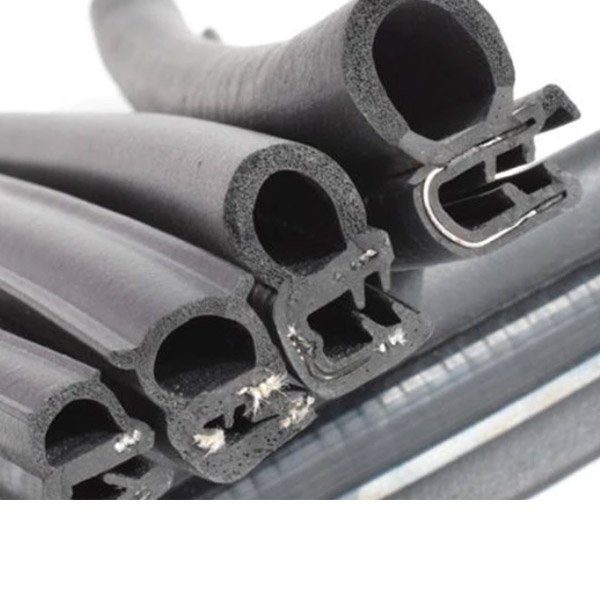
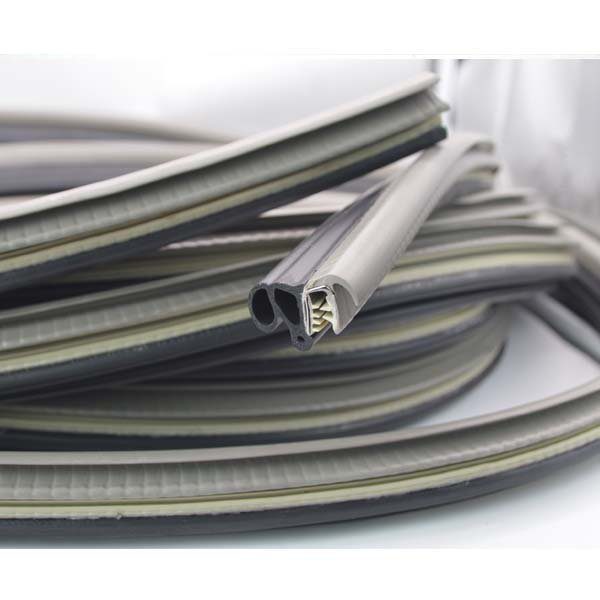
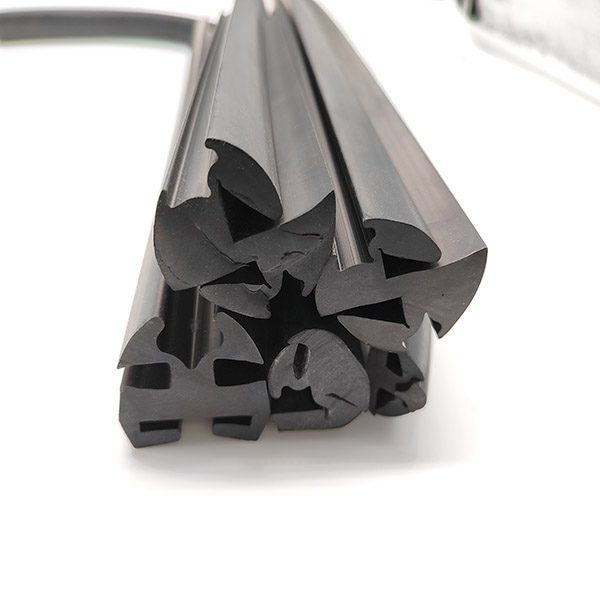
Car strips are usually made of elastic materials such as rubber or rubber plastic. These materials have good sealing properties and durability. They can adapt to different climatic conditions.
Most car seals are designed to fit a specific vehicle type. So make sure you choose the right weather strip for your specific vehicle before buying. Some general-purpose sealing strips can also be used for a certain range of vehicle models.
Car weatherstrip can effectively prevent rain, snow, and other liquids from entering the interior of the vehicle. It helps protect your car’s carpets, seats, and other interior parts from moisture or damage.
Car weather stripping can reduce the entry of external noise and improve driving comfort in the car. This is particularly important for drivers who drive for long periods and in noisy urban environments.
Car seal strips can also prevent tiny particles such as sand and dust from entering the car. They help keep the interior of your vehicle clean and reduce the need for interior maintenance.
Some car weatherstrips also have a certain thermal insulation function. They help maintain comfort inside your vehicle during extreme temperature conditions.
Before you begin installation, make sure you have the tools and materials you need. This includes weatherstripping, cleaners, wipes, measuring tape, scissors, etc.
Clean the car edges with detergent and a wipe. Make sure the surface is clean and free of grease, dust, or other impurities. This helps ensure that the car weatherstrip adhere tightly and remain stable.
Use a measuring tape to measure the length of the car edge. Cut car seal strips as needed. Make sure you cut it appropriately so it fits the edge of the car.
Before actual installation, place the car weatherstrip on the edge of the car to test. Make sure it’s the right length and shape and doesn’t prevent the car from opening and closing properly.
Apply double-sided tape on the back of the car weatherstrip, making sure it is evenly applied. Choose high-quality double-sided tape. This ensures that the weatherstripping adheres securely to the car.
Carefully adhere the car seal weatherstripping to the clean car edge. Make sure it fits snugly against the car to prevent rainwater from penetrating.
After the car weather stripping is pasted in place, press gently with your hands or a pressure tool. Make sure the double-sided tape is fully adhered. It may take some time for the double-sided tape to be fully set.
It is best to avoid opening and closing the car frequently until the car seal strip is completely fixed. Follow the recommended wait times in the installation instructions.