Window Weatherstrip

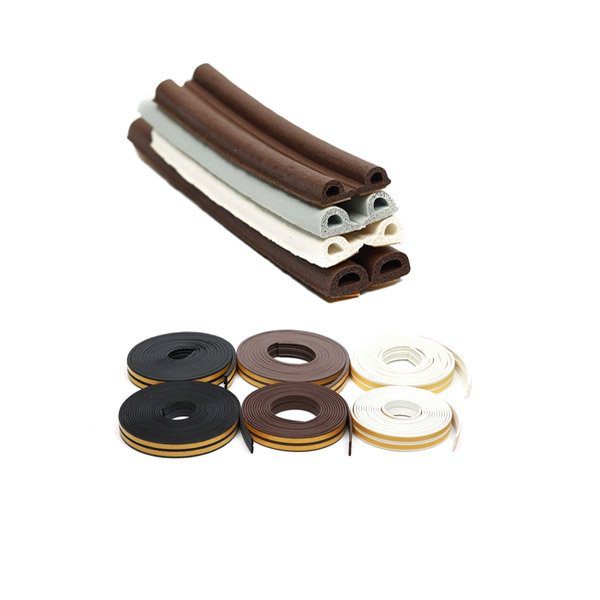
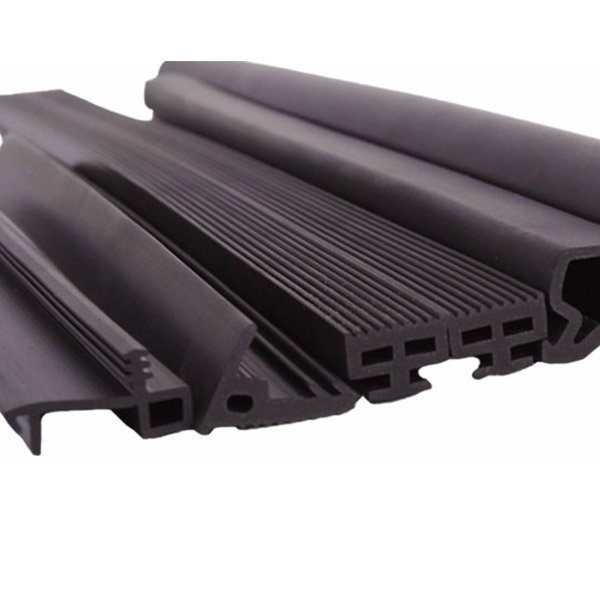
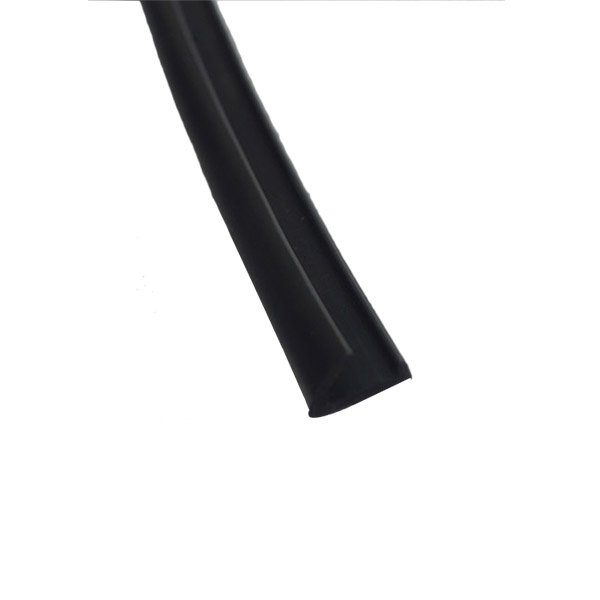
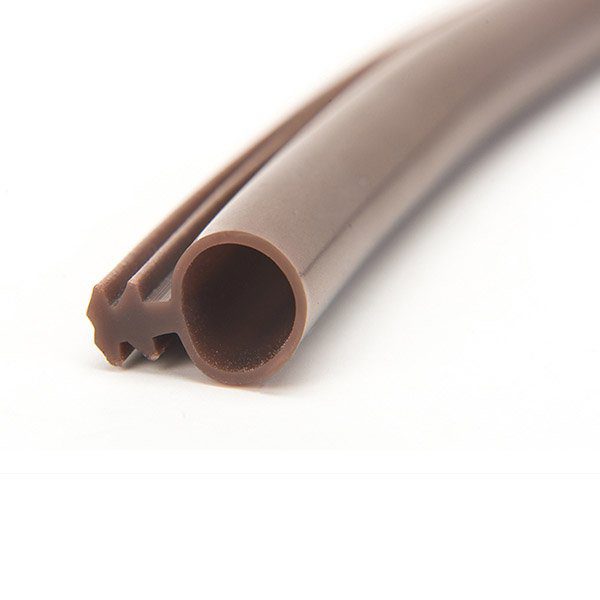
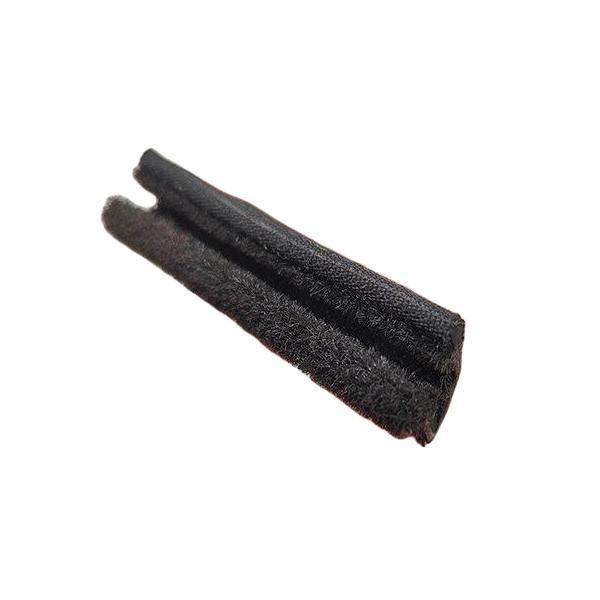
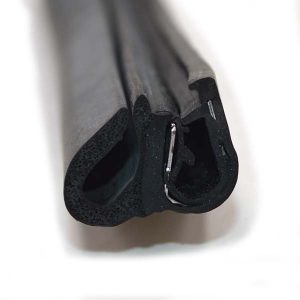
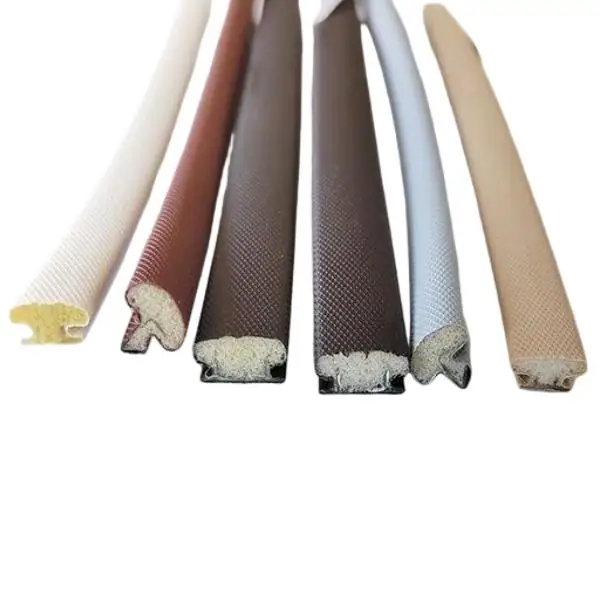
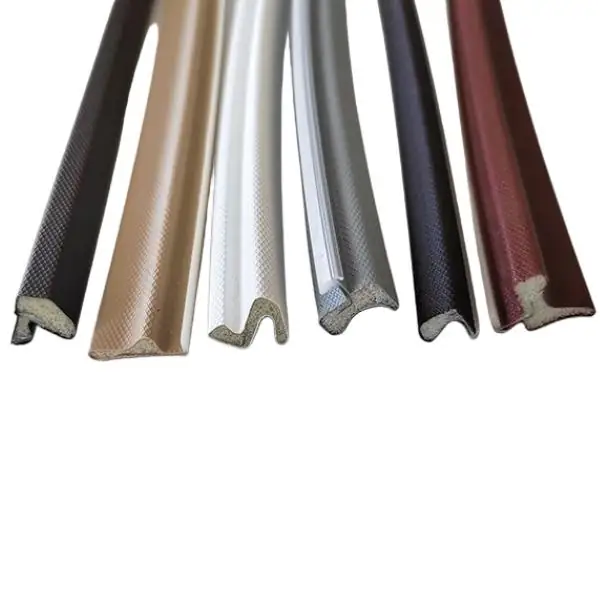
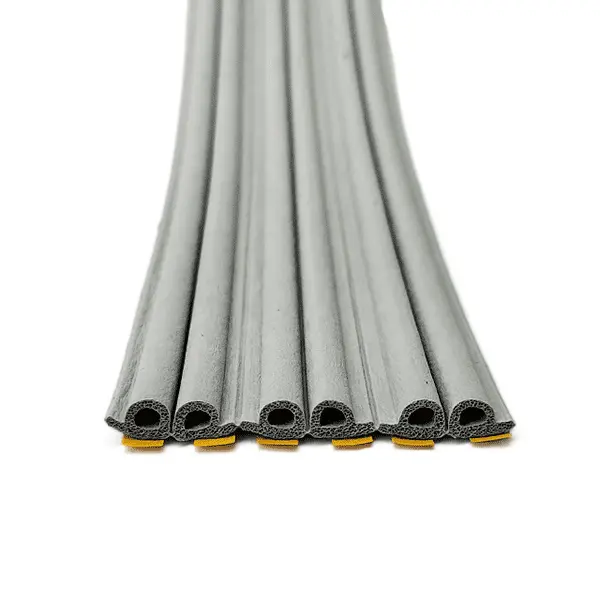
Window weatherstrip, also known as window weatherstrips or glazing gaskets, are specially designed rubber profiles that provide airtight and watertight sealing between glass panels and window frames. They effectively block wind, rain, dust, noise, and thermal transfer while absorbing vibration and compensating for thermal expansion and structural movement. Made from high-performance elastomers, modern window weatherstrips ensure long-term weather resistance, UV stability, and aesthetic integration in automotive, architectural, railway, marine, and industrial applications.

View All ⇊

PU Foam Seal Door Weatherstripping 21

PU Foam Seal Door Weatherstripping

Vinyl Clad Weatherstrip Kerf Door Seal 600x600 11

Vinyl Clad Weatherstrip Kerf Door Seal

P型.png1

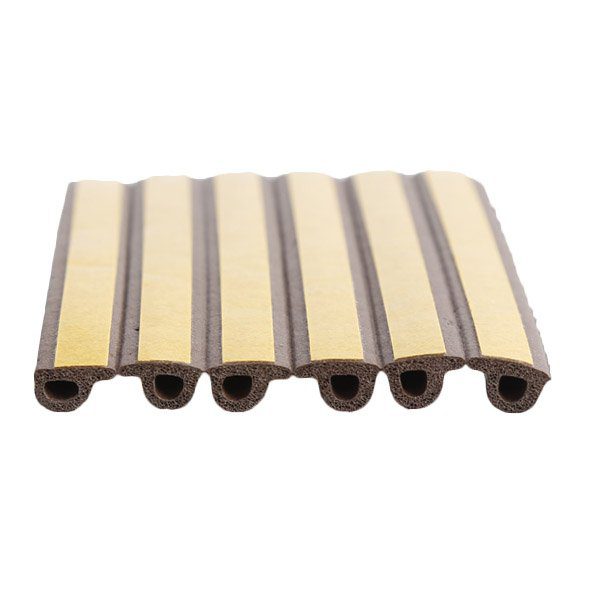
Self Adhesive D P E I Type Doors And Windows Foam Seal Strip

Resistance Waterproof EPDM Rubber Wooden Door Seal Strip

Resistance Waterproof EPDM Rubber Wooden Door Seal Strip

Door Bottom Seal

Door Bottom Seal

Shower Rubber Seal Strip2

Shower Rubber Seal Strip

TPE Wooden Door Window Weather Stripping 1

TPE Wooden Door Window Weather Stripping

TPE Glass Door Rubber Seal Strip 1

TPE Glass Door Rubber Seal Strip

TPE Car Door Seal Strip 1

TPE Car Door Seal Strip

Window Run Channel 31

Window Run Channel


Benefits of Window Weatherstrip

  • Provide a tight weatherstrip to keep the interior space clean, warm, and comfortable.
  • Reduce noise pollution and enhance comfortableness.
  • Increase efficiency and reduce energy costs.
  • Expand the service life of windows.

Rubber Window Weatherstrip Applications

The rubber window weatherstrip is ideal for most applications. It can make window weatherstrips for residential and commercial buildings, vehicle weatherstrips, car window weatherstrips, glass window rubber weatherstrips, panel weatherstrips, train weatherstrips, and airplane weatherstrips. It is specifically designed as the weatherstrip on cars, boats, trucks, caravans, etc.

Window Weatherstrip Materials

The most common types of rubber that can be used to produce window weatherstrips are silicone, EPDM (ethylene propylene), and TPE (thermoplastic elastomers). Each type of rubber has suitable properties to fit the application.

  • EPDM Rubber: Although window weatherstrips can be made of various materials, EPDM rubber weatherstrips are one of the most common types. EPDM is a flexible rubber material. It is specifically used to make clay glass weatherstrips, automotive weatherstrips, and sliding doors and windows. Compared with other materials, EPDM has the following advantages:
    1. Weather and aging resistance: It can resist ultraviolet rays, ozone in the atmosphere, and various severe weather conditions. It is not easy to degrade and deteriorate and is very suitable for outdoor use.
    2. Good chemical resistance: EPDM is better suited for corrosion resistance to many chemicals. It can also withstand acids, alkalis, detergents, animal and vegetable oils, alcohols, ketones, and many other chemicals.
    3. The most economical and applicable: EPDM has a low density and is lighter than other rubbers. And it can accept a large amount of fillers without affecting its original performance, while also reducing costs.
    4. Good processability: EPDM can be processed and formed using various methods, such as extrusion and molding. It is easy to manufacture products of various complex shapes.
    5. Environmental protection: EPDM produces fewer harmful substances during production and use. It can also be recycled and reused, meeting environmental protection requirements.
    6. Temperature resistance: EPDM is resistant to high and low temperatures. It still maintains good elasticity and physical properties under extreme temperature conditions.
EPDM Rubber
  • Silicone Rubber: Silicone rubber is a robust rubber with a superior temperature range to EPDM and TPE. It is typically used to weatherstrip windows in the manufacturing industry.
  • Rubber TPE: TPE is highly versatile in making claytonite and U-channel weatherstrips. It also has exceptional weathering resistance. So it is ideal for harsh environmental conditions and applications.

Why Choose Okin Seal As Your Window Weatherstrip Manufacturer?

  • Advanced Technology: Our factory uses cutting-edge manufacturing technology. We can ensure that all rubber window weatherstrips are manufactured per industry standards and meet customer satisfaction.
  • Custom Service: We can customize different types of window weatherstrips according to customer requirements and specifications. You can choose different sizes, materials, shapes, hardnesses, and colors. We will also provide prototype samples before mass-producing your rubber window weatherstrips.
  • Exceptional Manufacturing Capabilities: We have been in the industry of rubber window weatherstrips for more than 10 years. This allows us to know more about the market trend. We can manufacture high-quality window weatherstripping products that satisfy customers’ needs. In the end, we offer the best window rubber weatherstrips for customers across the globe.
How to Install Rubber Window Weatherstrips

  1. Step 1: Remove your old window weatherstrips from the window frame.
  2. Step 2: Clean out the window frame with a clean cloth to remove any debris or adhesive residue from the frame.
  3. Step 3: Measure the size of the window frame and cut the window weatherstrip to the desired length.
  4. Step 4: Apply a small amount of adhesive to the back of the window weatherstrip that will be mounted.
  5. Step 5: Install the rubber window weatherstrip firmly onto the window frame.
  6. Step 6: Adjust the window weatherstrip if necessary to ensure a tight weatherstrip.

FAQs

A window gasket is also called a window weatherstrip, window weatherstrip, or window sealing strip. It is a weatherstrip that is mounted onto the edges or gaps between the window and the frame. It can prevent water, debris, and cold air from infiltrating your interior space.

The most frequently used window sealing strips include bubble gasket, E gasket, wedge gasket, and flipper gasket.

Benefits of Window Weatherstrip

  • Provide a tight weatherstrip to keep the interior space clean, warm, and comfortable.
  • Reduce noise pollution and enhance comfortableness.
  • Increase efficiency and reduce energy costs.
  • Expand the service life of windows.

Rubber Window Weatherstrip Applications

The rubber window weatherstrip is ideal for most applications. It can make window weatherstrips for residential and commercial buildings, vehicle weatherstrips, car window weatherstrips, glass window rubber weatherstrips, panel weatherstrips, train weatherstrips, and airplane weatherstrips. It is specifically designed as the weather weatherstrip on cars, boats, trucks, caravans, etc.

Window Weatherstrip Materials

The most common types of rubber that can be used to produce window weatherstrips are silicone, EPDM (ethylene propylene), and TPE (thermoplastic elastomers). Each type of rubber has suitable properties to fit the application.

  • EPDM Rubber:

    Although window weatherstrips can be made of various materials, EPDM rubber weatherstrips are one of the most common types. EPDM is a flexible rubber material. It is specifically used to make clay glass weatherstrips, automotive weatherstrips, and sliding doors and windows. Compared with other materials, EPDM has the following advantages:

    1. Weather and aging resistance: It can resist ultraviolet rays, ozone in the atmosphere, and various severe weather conditions. It is not easy to degrade and deteriorate and is very suitable for outdoor use.
    2. Good chemical resistance: EPDM is better suited for corrosion resistance to many chemicals. It can also withstand acids, alkalis, detergents, animal and vegetable oils, alcohols, ketones, and many other chemicals.
    3. The most economical and applicable: EPDM has a low density and is lighter than other rubbers. And it can accept a large amount of fillers without affecting its original performance, while also reducing costs.
    4. Good processability: EPDM can be processed and formed using various methods, such as extrusion and molding. It is easy to manufacture products of various complex shapes.
    5. Environmental protection: EPDM produces fewer harmful substances during production and use. It can also be recycled and reused, meeting environmental protection requirements.
    6. Temperature resistance: EPDM is resistant to high and low temperatures. It still maintains good elasticity and physical properties under extreme temperature conditions.
    EPDM Rubber
  • Silicone Rubber:
    Silicone rubber is a robust rubber with a superior temperature range to EPDM and TPE. It is typically used to weatherstrip windows in the manufacturing industry.
  • Rubber TPE:
    TPE is highly versatile in making claytonite and U-channel weatherstrips. It also has exceptional weathering resistance. So it is ideal for harsh environmental conditions and applications.

Why Choose Okin Seal As Your Window Weatherstrip Manufacturer?

  • Advanced Technology

    Our factory uses cutting-edge manufacturing technology. We can ensure that all rubber window weatherstrips are manufactured per industry standards and meet customer satisfaction.

  • Custom Service

    We can customize different types of window weatherstrips according to customer requirements and specifications. You can choose different sizes, materials, shapes, hardnesses, and colors. We will also provide prototype samples before mass-producing your rubber window weatherstrips.

  • Exceptional Manufacturing Capabilities

    We have been in the industry of rubber window weatherstrips for more than 10 years. This allows us to know more about the market trend. We can manufacture high-quality window weatherstripping products that satisfy customers’ needs. In the end, we offer the best window rubber weatherstrips for customers across the globe.
How to Install Rubber Window Weatherstrips

  • Step 1: Remove your old window weatherstrips from the window frame.
  • Step 2: Clean out the window frame with a clean cloth to remove any debris or adhesive residue from the frame.
  • Step 3: Measure the size of the window frame and cut the window weatherstrip to the desired length.
  • Step 4: Apply a small amount of adhesive to the back of the window weatherstrip that will be mounted.
  • Step 5: Install the rubber window weatherstrip firmly onto the window frame.
  • Step 6: Adjust the window weatherstrip if necessary to ensure a tight weatherstrip.

FAQs

What Is A Window Gasket?
A window gasket is also called a window weatherstrip, window weatherstrip, or window sealing strip. It is a weatherstrip that is mounted onto the edges or gaps between the window and the frame. It can prevent water, debris, and cold air from infiltrating your interior space.
Are There Different Types of Window Sealing Strips?
The most frequently used window sealing strips include bubble gasket, E gasket, wedge gasket, and flipper gasket.

Popular search keywords: