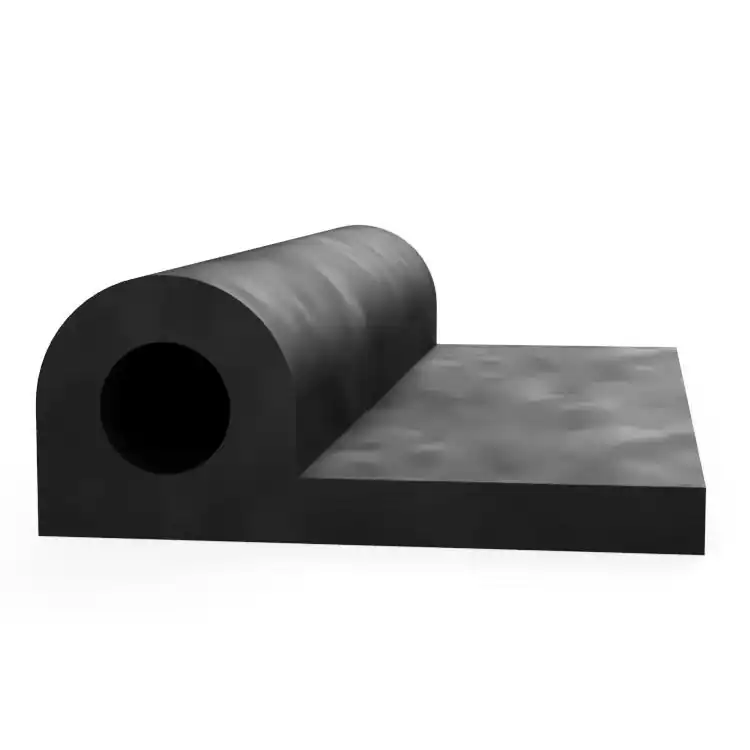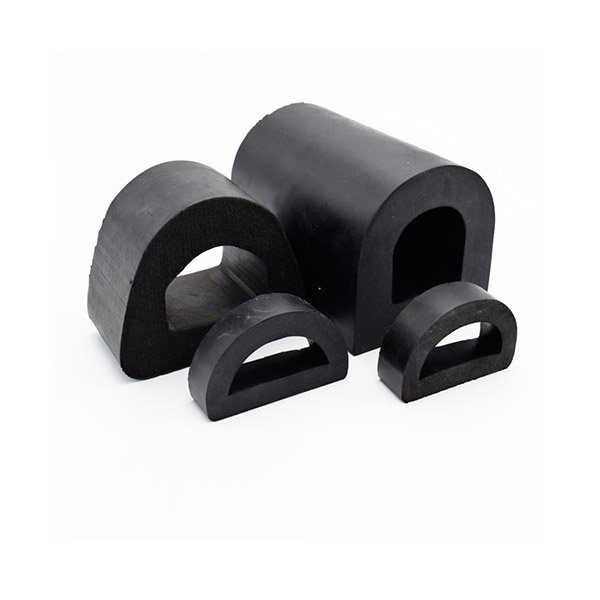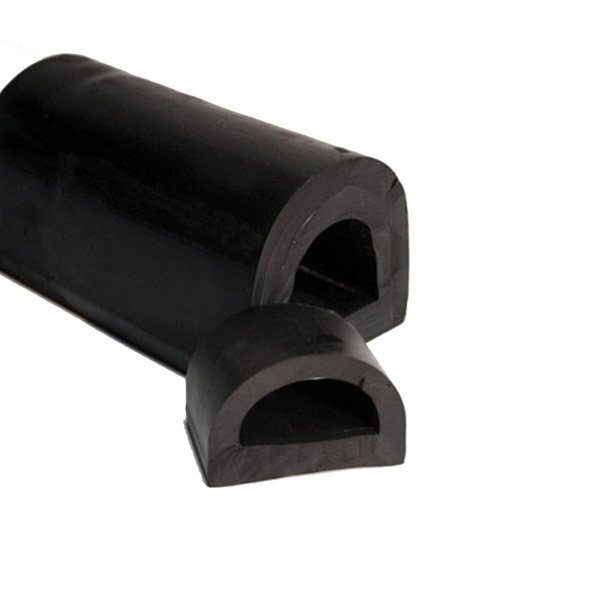
Rubber bumpers are highly versatile for a wide range of applications. They are commonly used in the automobile industry and within the marine industry. Such as vessels, boats, ships, loading docks, piers, cruises, and private yachts.
The rubber fenders are manufactured through the rubber extrusion process. This process is finished by pushing the rubber through a die and molding it into the desired shape.
Rubber fenders are generally replaced every 10 years. But it all depends on the application and environment that it is used. We suggest you inspect the rubber fender regularly to check its working condition and maintain it ASAP to extend the service life.
Excellent flexibility and durability;
High-cost performance and longer service life. Compared with other materials, rubber fenders are cheaper and will not wear out even after long-term use, so they have a longer service life;
Excellent anti-friction, anti-vibration, anti-wear, and other properties;
Good weather resistance: it can withstand extreme environmental conditions;
Low maintenance cost: Rubber bumpers do not require complex maintenance procedures, only simple cleaning and maintenance;
Easy to install and operate: Rubber materials are light, easy to carry, and easy to install. You can bolt rubber bumpers and fenders. Glue and snap-on installation, no complex tools required;
The operating temperature range is -15°C to +70°C;
Customizable colors: Rubber bumpers and fenders can be produced in different colors according to needs, which can serve as decoration and warning;
Good impact resistance: Rubber is a highly elastic material that quickly returns to its original shape after being hit. Rubber fenders usually have specific shapes and thicknesses, which can play a certain buffering role in the event of a collision.
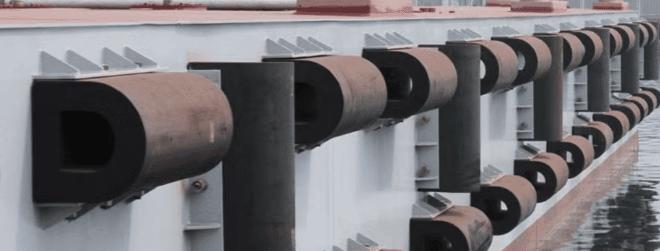
Rubber bumpers are highly versatile for a wide range of applications. They are commonly used in the automobile industry and within the marine industry. Such as vessels, boats, ships, loading docks, piers, cruises, and private yachts.