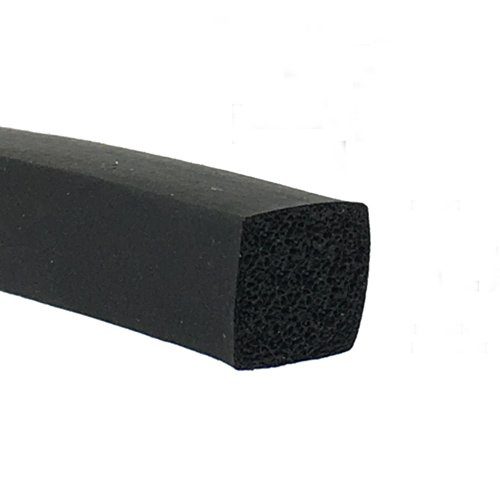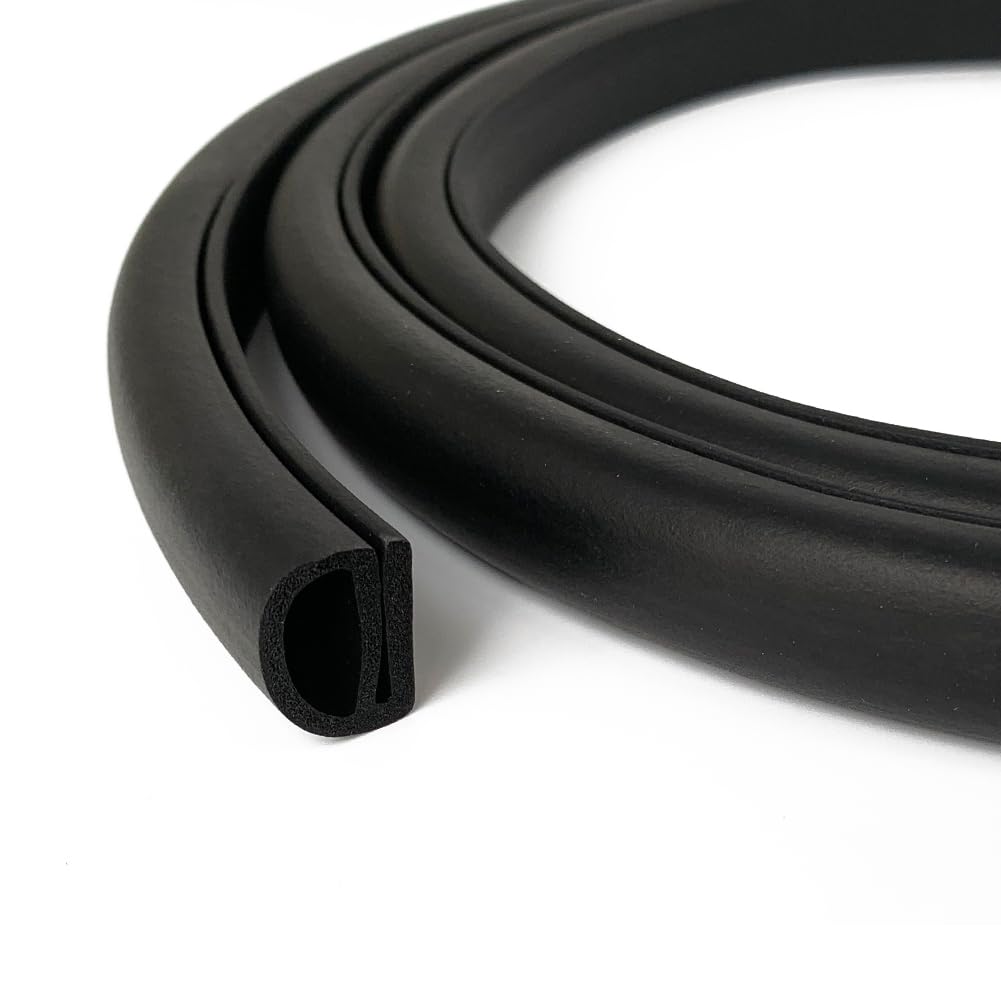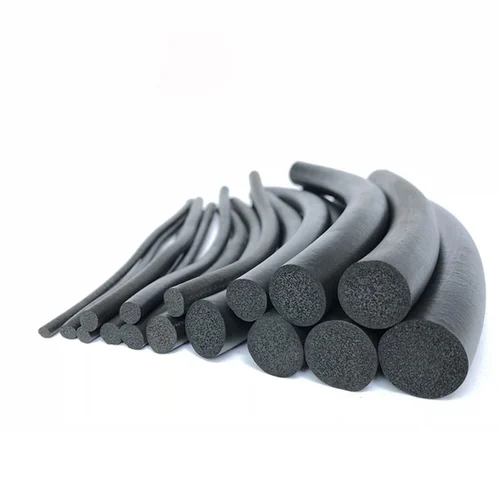
Sponge Rubber Extrusion

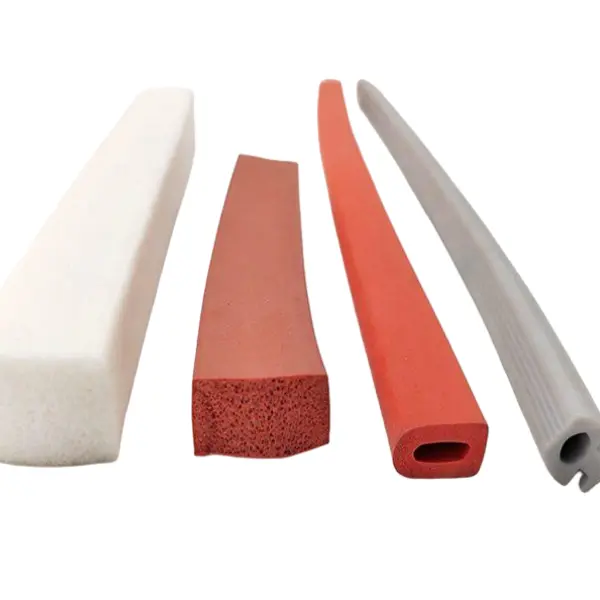
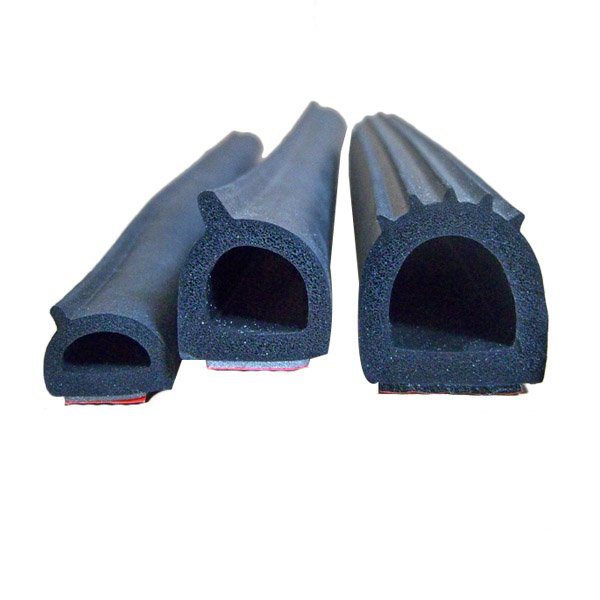
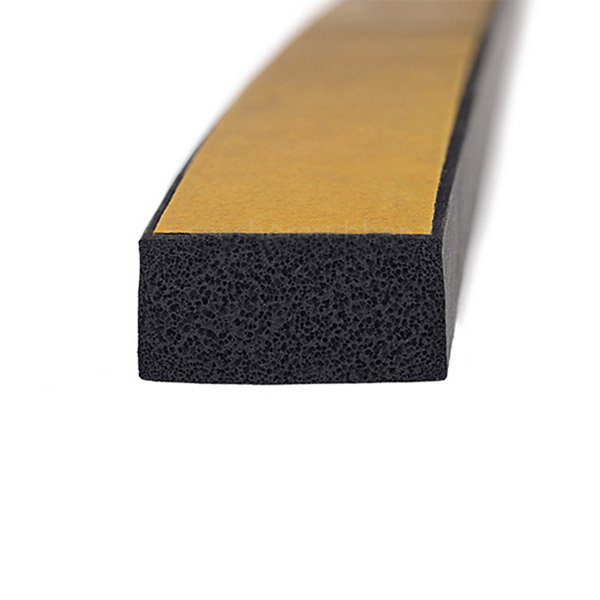
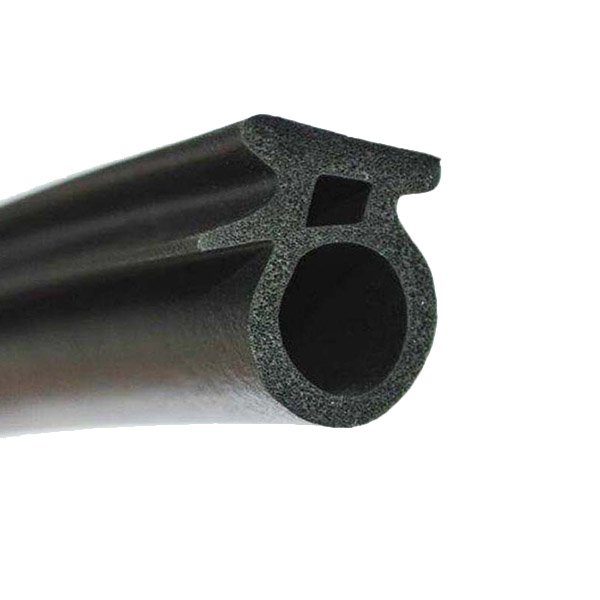
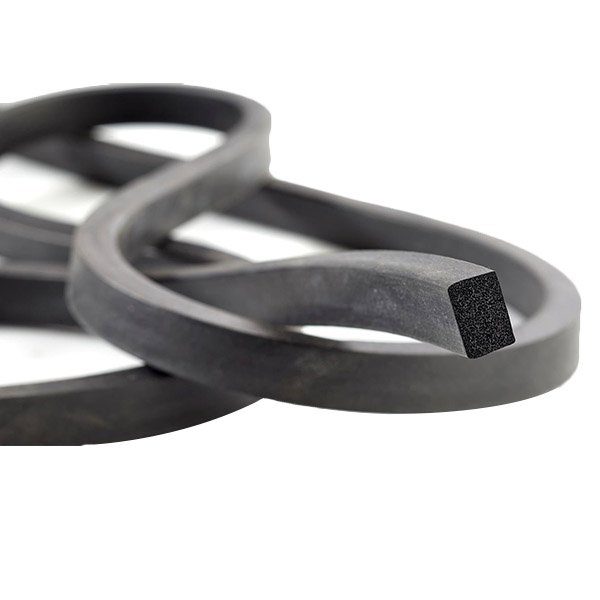
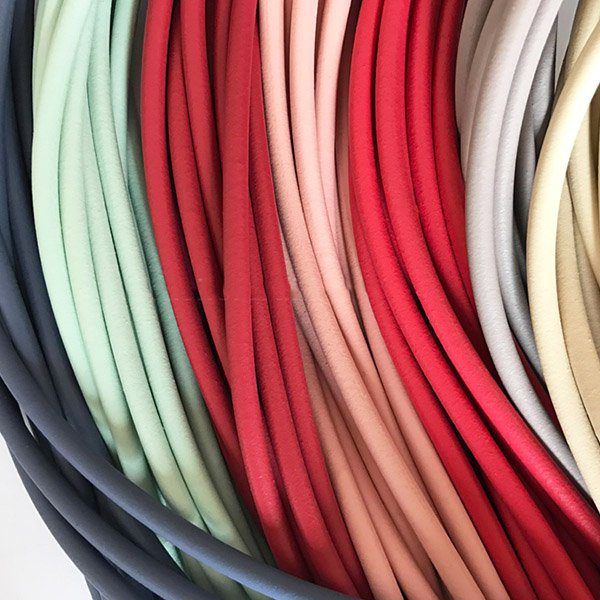
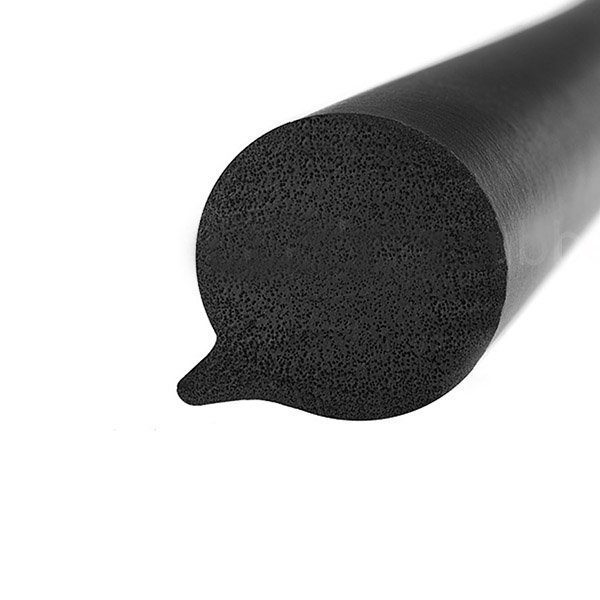
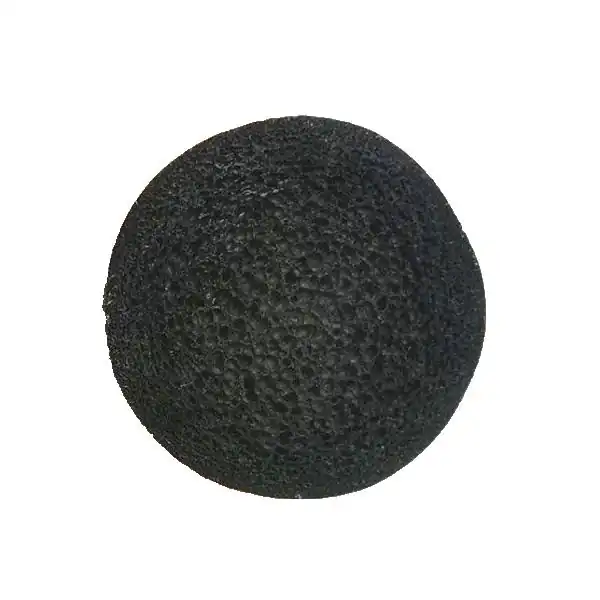
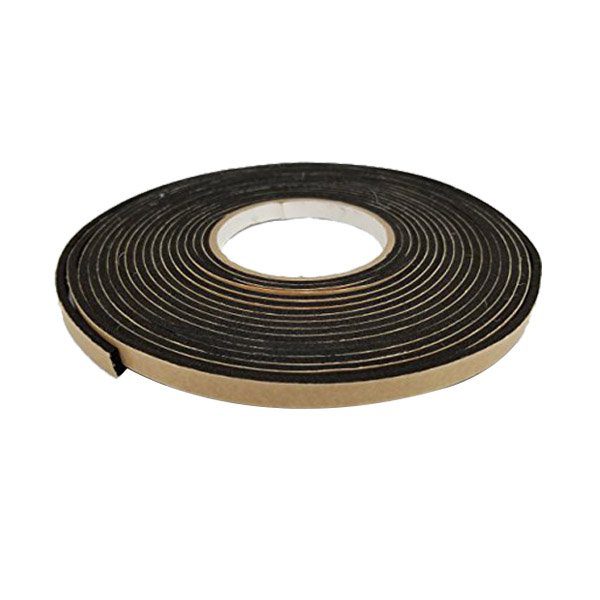
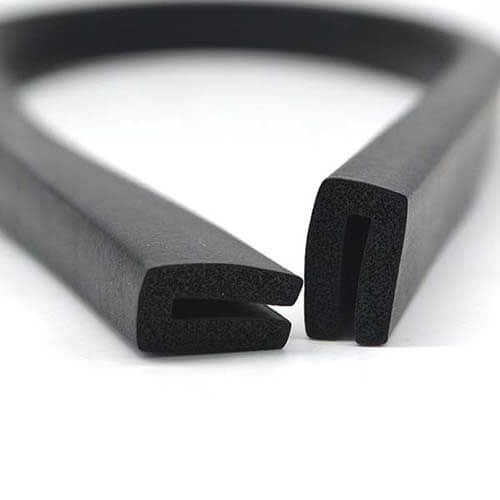
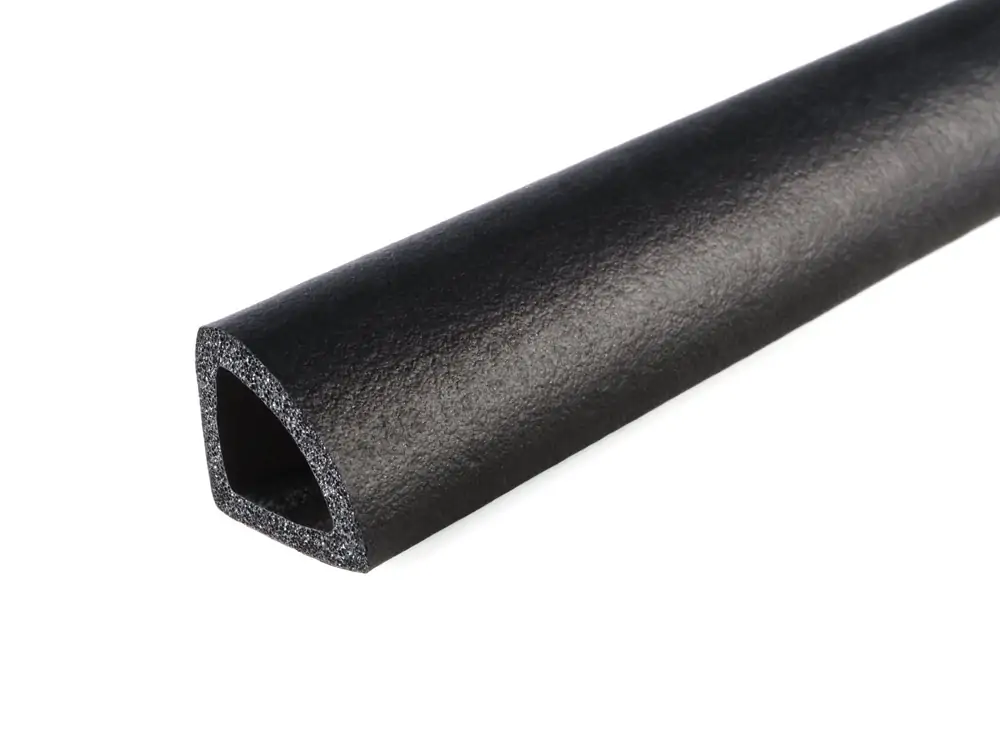
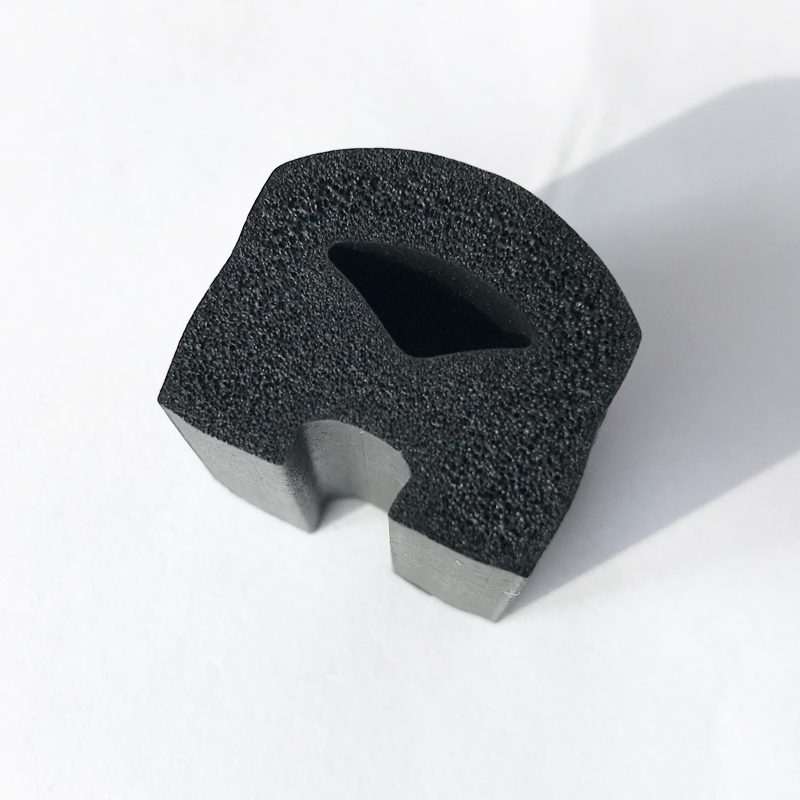
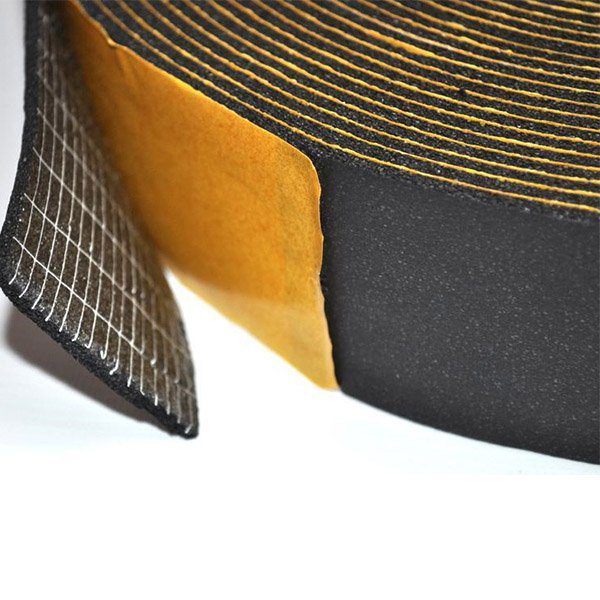
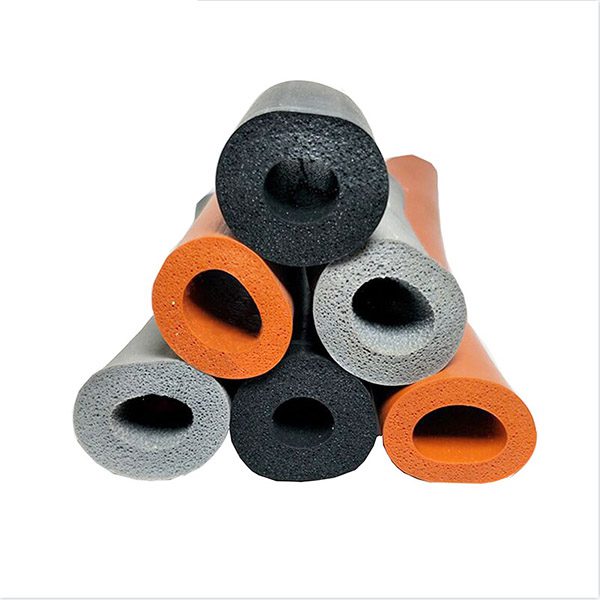
Sponge rubber extrusion refers to manufacturing foam or sponge rubber profiles through extrusion. It is categorized as open-cell sponge rubber extrusion and closed-cell sponge rubber extrusion. It has the following superior advantages to other rubber extrusions.

  • Excellent sealing and insulation properties
  • Highly durable and flexible
  • Exceptional resistance to chemicals and moisture
  • Excellent weathering, ozone, and UV resistance
  • Shock absorption and cushioning capabilities
  • Cost-effective production

View All ⇊

ClipFlock EMI Shielding Gasket111(1)

ClipFlock EMI Shielding Gasket

Car Window Rubber Seal Adhesive

Silicone Foam Tube

silicone sponge strip.jpg1

Silicone Sponge Extrusion

Self Adhesive Window Sealing Strip 2

Self Adhesive Window Sealing Strip

Self Adhesive Window Sealing Strip

Self Adhesive EPDM Foam Rubber Strip

Fireproof EPDM Sponge Rubber Strip

Fireproof EPDM Sponge Rubber Strip

EPDM Square Foam Rubber Cord

Colored Sponge Rubber Cord 6

Colored Sponge Rubber Cord

Colored Sponge Rubber Cord 2

Sponge Round Rubber Cord

Anti Fire EPDM Sponge Rubber Profile1

Anti-Fire EPDM Sponge Rubber Profile

Neoprene Rubber Gasket Strip For Wood Window 2

Neoprene Self Adhesive Strip


Key Features of Sponge Rubber Extrusion

Cellular Structure

Sponge rubber extrusion creates a cellular structure with interconnected air or gas-filled cells. It can provide cushioning, flexibility, and compressibility.

Customizable Density And Hardness

The density and hardness of sponge rubber profiles can be tailored to meet specific application requirements.

Excellent Compression And Recovery

Sponge rubber exhibits excellent compression and recovery properties. So it can compress under pressure and quickly regain its original shape after release.

Thermal And Acoustic Insulation

Sponge rubber profiles offer inherent thermal and acoustic insulation properties. It can reduce heat transfer and sound transmission.

e shape foam rubber seal

Flexibility And Conformability

Sponge rubber profiles are highly flexible and conform to irregular surfaces or contours. It can ensure proper fit and sealing.

Resistance to Moisture And Chemicals

Sponge rubber exhibits resistance to moisture, water absorption, and certain chemicals. It is suitable for humid or wet environments and contact with certain substances.

Applications of Sponge Rubber Extrusion

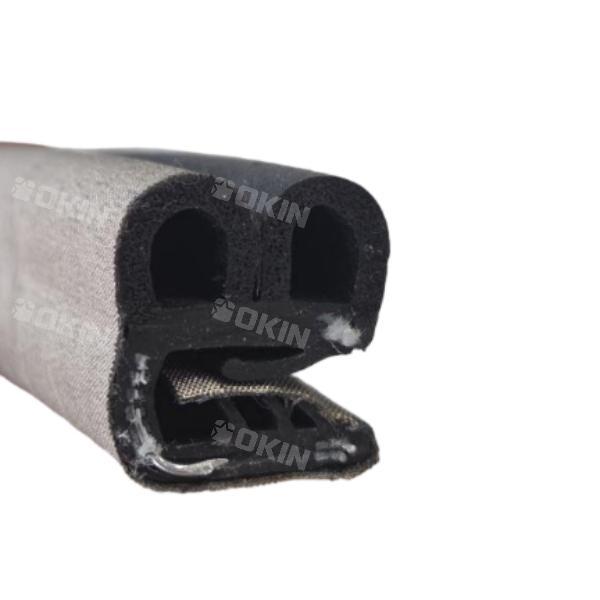
The sponge or foam rubber profiles suit various. Industries and applications, including automotive, construction, HVAC, electronics, packaging, and more. They are used for sealing applications (gaskets and weatherstripping), insulation, cushioning, soundproofing, shock absorption, and vibration dampening.

FAQs

Sponge rubber extrusions are commonly made of neoprene, EPDM (ethylene propylene diene monomer), silicone, and polyurethane. When selecting the material, it depends on the properties. Such as density, hardness, temperature, and chemical resistance.

The working temperature of sponge rubber extrusion depends on the specific type of rubber material used in the manufacturing process. Here are the approximate working temperature ranges for some used sponge rubber materials:
  • Neoprene: Neoprene sponge rubber has a working temperature range of -40°C to +120°C (-40°F to +248°F).
  • EPDM: EPDM sponge rubber has a broader operating temperature range of approximately -40°C to +150°C (-40°F to +302°F).
  • Silicone: Silicone sponge rubber is known for its high-temperature resistance. It has a working temperature range of -60°C to +230°C (-76°F to +446°F).
  • Polyurethane: Polyurethane sponge rubber can have a working temperature range of -40°C to +80°C (-40°F to +176°F). It depends on the specific formulation.

Key Features of Sponge Rubber Extrusion

Cellular Structure

Cellular Structure

Sponge rubber extrusion creates a cellular structure with interconnected air or gas-filled cells. It can provide cushioning, flexibility, and compressibility.

Customizable Density And Hardness

Customizable Density And Hardness

The density and hardness of sponge rubber profiles can be tailored to meet specific application requirements.

Excellent Compression And Recovery

Excellent Compression And Recovery

Sponge rubber exhibits excellent compression and recovery properties. So it can compress under pressure and quickly regain its original shape after release.

Thermal And Acoustic Insulation

Thermal And Acoustic Insulation

Sponge rubber profiles offer inherent thermal and acoustic insulation properties. It can reduce heat transfer and sound transmission.

Flexibility And Conformability

Flexibility And Conformability

Sponge rubber profiles are highly flexible and conform to irregular surfaces or contours. It can ensure proper fit and sealing.

Resistance to Moisture And Chemicals

Resistance to Moisture And Chemicals

Sponge rubber exhibits resistance to moisture, water absorption, and certain chemicals. It is suitable for humid or wet environments and contact with certain substances.

Applications of Sponge Rubber Extrusion

The sponge or foam rubber profiles suit various industries and applications, including automotive, construction, HVAC, electronics, packaging, and more. They are used for sealing applications (gaskets and weatherstripping), insulation, cushioning, soundproofing, shock absorption, and vibration dampening.

FAQs

What Materials Are Commonly Used For Sponge Rubber Extrusion?
Sponge rubber extrusions are commonly made of neoprene, EPDM (ethylene propylene diene monomer), silicone, and polyurethane. When selecting the material, it depends on the properties. Such as density, hardness, temperature, and chemical resistance.
What is The Working Temperature of Sponge Rubber Extrusion?

The working temperature of sponge rubber extrusion depends on the specific type of rubber material used in the manufacturing process. Here are the approximate working temperature ranges for some used sponge rubber materials:
  • Neoprene: Neoprene sponge rubber has a working temperature range of -40°C to +120°C (-40°F to +248°F).
  • EPDM: EPDM sponge rubber has a broader operating temperature range of approximately -40°C to +150°C (-40°F to +302°F).
  • Silicone: Silicone sponge rubber is known for its high-temperature resistance. It has a working temperature range of -60°C to +230°C (-76°F to +446°F).
  • Polyurethane: Polyurethane sponge rubber can have a working temperature range of -40°C to +80°C (-40°F to +176°F). It depends on the specific formulation.

Popular search keywords: